I pulled over 800 shots in the past year. Some were sink-worthy. A few made me stop mid-sip. That gap between "drinkable" and "why does this taste like a café?" rarely comes down to the machine. It comes down to the beans.
The best coffee beans for espresso in 2026 are not the same ones that won awards in 2020. Roasters have shifted. Freshness standards are stricter. And the gap between grocery-store beans and specialty roasters has never been wider.
This guide is built from my own testing, conversations with roasters, and a lot of mornings spent dialing in shots that tasted like lemon pledge before they tasted like caramel.
What are the Best Coffee Beans for Espresso?
Espresso forces water through coffee at nine bars of pressure. Every flaw gets magnified. A bean that tastes fine in a drip brewer can taste papery or hollow as a shot. That's why espresso blends exist. They're built to extract sweet under pressure.
Read Also: What Is Carbonic Maceration Natural Coffee? Complete Guide
Brian, a coffee buyer quoted in a Yahoo tasting panel, put it simply: look for beans rated 86 points or higher by professional cuppers. That's gourmet-grade. The difference shows up in clarity and balance. You don't need a lab to taste it.
The Freshness Rule Most People Ignore
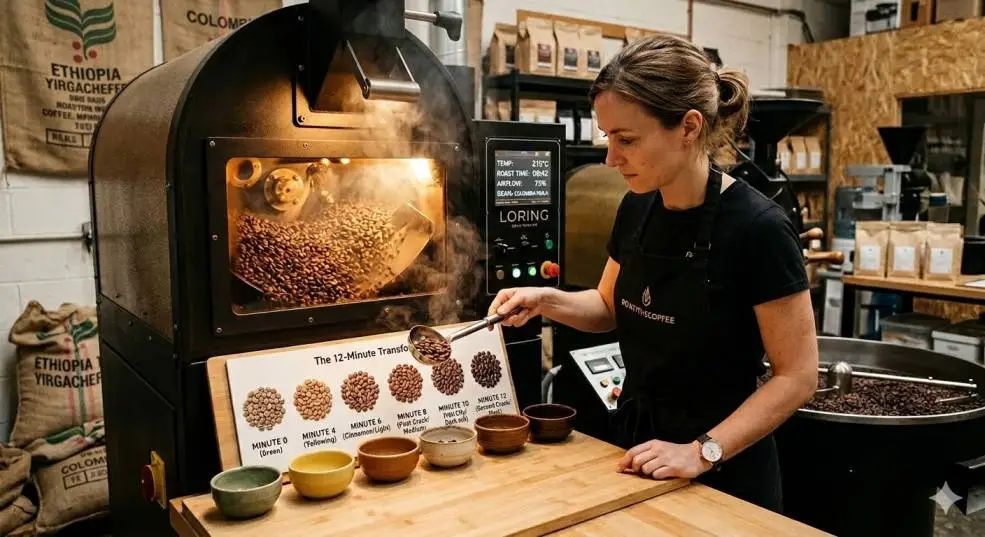
Forget "best by" dates. Look for the roast date. Espresso peaks between seven and 21 days after roasting. Before day seven, beans release too much carbon dioxide. The puck resists unevenly. Shots taste sharp and gassy. After week three, crema weakens and flavors flatten.
I learned this the hard way. A bag of "fresh" grocery beans sat in my cabinet for two months. The shots tasted like wet cardboard. I blamed my grinder. I blamed my technique. The beans were the problem.
Buy smaller bags. One or two at a time. Use them within three weeks. If a roaster doesn't print a roast date, walk away.
Best for Straight Shots: The Purist Picks
Some beans are built to be drunk black. No milk. No sugar. Just a 30-second pull and a small cup.
Bean Box's own espresso shelf tells a story through tasting notes. Chocolate appears in 25 of their espresso coffees. Caramel in 18. Dark chocolate in another 18. That's not an accident. Those notes read as sweetness through the entire sip.
Onyx Coffee Lab's Monarch is the one I keep coming back to. It pours dark chocolate and red wine into a body so thick it coats the cup. Steam it into a flat white and the molasses turns into something like salted caramel. That's a bean doing two jobs well.
Stumptown's Hair Bender and Intelligentsia's Black Cat Classic sit in the same neighborhood. Developed, chocolaty, balanced. They pull sweet without milk.
Best for Milk Drinks: Chocolate and Caramel Win
If you drink lattes or cappuccinos, your bean needs to survive dairy. Milk is sweet and fatty. It muffles delicate floral notes. Bright, fruity light roasts can vanish completely.
Medium to medium-dark blends with chocolate, caramel, and nutty notes hold their ground. The sugar and fat in milk amplify those flavors. A chocolate-dipped biscotti tastes more chocolatey with milk, not less.
Sightglass Crown Point (butterscotch, raspberry, chocolate) and Gimme! Coffee's Leftist (cherry, toffee, chocolate) both stand up in a cappuccino. They're sweet enough to drink straight but sturdy enough for milk.
Twisted Goat's Battle Bluff is another one built for this. Ethiopian and Brazil blend. Banana bread, vanilla, cocoa. Creamy body, mild acidity. Forgiving to pull. It's a good starting point if you're new to home espresso.
The Oiliness Problem Nobody Warns You About
This is the most important thing I learned this year. Dark roasts release oils onto the bean surface. Those oils taste great fresh. But in a grinder, they build up. They go rancid. They gum up the burrs.
If your bean-to-cup machine suddenly starts pulling bitter shots, oily buildup is probably the cause. Check the beans before you buy. If they look wet and shiny, that's surface oil. Some people love that in a French press. But for daily grinding, you want non-oily beans.
Non-oily does not mean weak. A good roaster can develop bold, full-bodied espresso without pushing beans to an oil slick. Twisted Goat explicitly labels all four of their espresso picks as non-oily and machine-safe. That's the kind of transparency worth supporting.
Budget Picks That Actually Work
You don't need to spend $25 a bag. Lavazza Qualità Rossa shows up again and again in verified reviews. Chocolate and dried fruit notes. Smooth texture. Works in De'Longhi machines without fuss. One reviewer called it "the perfect crema" for espresso and lattes.
Pellini N.82 Vivace is another Italian option. Arabica and Robusta blend. Medium roast. Reviewers describe it as "not too bitter" with "a nice boldness" for both straight espresso and cappuccinos. A 1kg bag costs less than a single 12oz bag from many specialty roasters.
The catch with budget beans is freshness. Some Amazon reviews for Pellini mention bags that arrived months old. Check the roast date when it arrives. If it's older than six weeks, return it.
The German Test Results Worth Knowing
BILD ran a blind espresso tasting in 2026. The winner was Schwiizer Schüümli Espresso. Tasters noted chocolate, honey, and roasted nuts. A "particularly round overall picture". It beat Lavazza, Kimbo, and Melitta in the same test.
The bottom of the ranking is just as useful. Melitta Barista Espresso scored last. Tasters described it as smoky, bitter, and one-dimensional. The fine aromas "hardly had a chance to develop". That's a useful warning. Dark roast intensity can mask bad beans.
Decaf That Doesn't Taste Like Punishment
Most decaf espresso tastes like a watered-down memory of real coffee. Equator's Decaf Eye of the Tiger breaks that pattern. It's a proper after-dinner shot. Swiss Water Process. No chemicals. Rich body with a mellow finish.
If you want a nightcap without lying awake until 2 a.m., this is the one I'd reach for. It pulls clean and works in milk too.
A Quick Note on Grinders
You can buy $30 beans and ruin them with a $20 blade grinder. Espresso needs a uniform grind roughly the size of table salt. Blade grinders create dust and chunks. You get sour and bitter in the same shot. A burr grinder is not optional if you're serious.
I used a hand grinder for six months. It worked. It took 90 seconds per shot. If you're pulling two shots a day, that's three minutes of grinding. Some people find that meditative. Others find it annoying. Budget for an electric burr grinder if you can.
What to Buy Based on How You Drink?
Straight shots, no milk: Onyx Monarch. Stumptown Hair Bender. Something with dark chocolate and cherry that finishes clean.
Lattes and cappuccinos: Sightglass Crown Point. Gimme! Leftist. Twisted Goat Battle Bluff. Chocolate-forward blends that hold through dairy.
Budget daily driver: Lavazza Qualità Rossa. Pellini N.82. Check the roast date. Buy smaller bags.
Decaf: Equator Eye of the Tiger. Swiss Water Process. Actually tastes like coffee.
Avoid: Oily beans for automatic machines. Bags without roast dates. Anything that smells flat or papery when you open it.
The Final Thoughts
The best espresso beans for your machine are the ones that taste good to you. That sounds obvious. But it's easy to get lost in cupping scores and roast profiles and forget that you're the one drinking it.
Start with medium roasts. Chocolate and caramel notes. A roast date within two weeks. A burr grinder. Adjust one variable at a time until the shot tastes sweet instead of sour or bitter. Then buy more of that bean.
Your palate is the only judge that matters.