My kitchen smelled like burnt popcorn for three days. I'd bought a bag of green coffee beans online because some article told me home roasting was easy. use a cast-iron skillet, they said. It'll be fun, they said.
The skillet smoked up the entire apartment. My wife opened windows while yelling something about never trusting YouTube tutorials again. The beans came out looking like charcoal on one side and pale on the other.
I brewed them anyway because I'd spent fifteen bucks on shipping. Took one sip and poured the whole pot down the drain. That failure taught me more about coffee than any bag that was perfectly roasted ever could.
When you mess up this badly, you begin to ask questions. Like what actually happens inside that bean? And why does timing matter so much? Turns out, when coffee beans are roasted, everything changes in about twelve minutes. And most of what you see on store shelves is just fine. Not great.
What Happens During the 'First Crack' of Coffee Roasting?
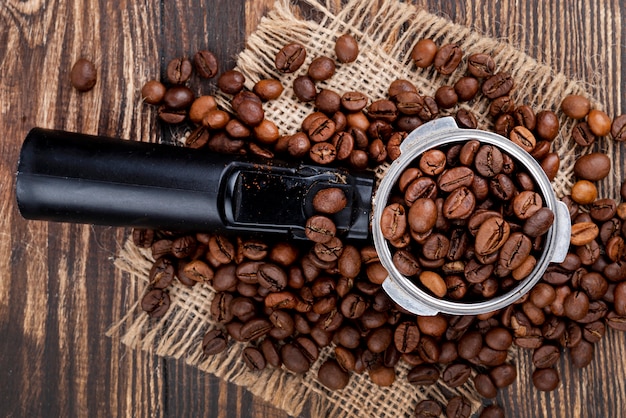
Here's something roasters won't tell you. Those green beans they start with? They smell like grass and peanuts. Nothing like coffee. I kept sniffing the bag when mine arrived, thinking something was wrong. I called the company. The guy laughed and said yeah, that's normal.
Read Also: Savannah Coffee Roasters Coffee | Freshly Roasted Beans
Where do coffee beans come from isn't fair topography. It's almost understandable they're seeds interior natural product. Small cherries that develop on trees.
Ranchers select the seeds, press out the natural product, and dry them in the sun or with machines. Then, they pack and ship them in burlap sacks.
Some beans sit in stockrooms for months some time recently anybody cooks them. Ancient beans broil speedier but taste better. New beans take longer but have more identity. Many big brands use old beans because they care more about consistency than flavor.
I learned this from a roaster in Portland who let me taste the same bean simmered three distinct ways. One was shining and nearly fruity. One tasted like chocolate. One was fundamentally charcoal water. Same bean, distinctive cook curves.
Mind blown.
The First Four Minutes: Nothing Happens (Sort Of)
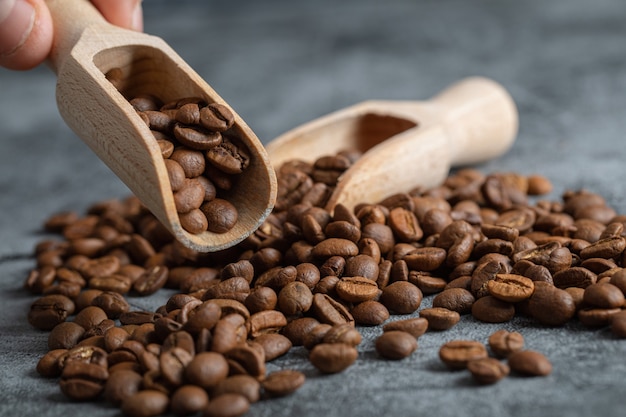
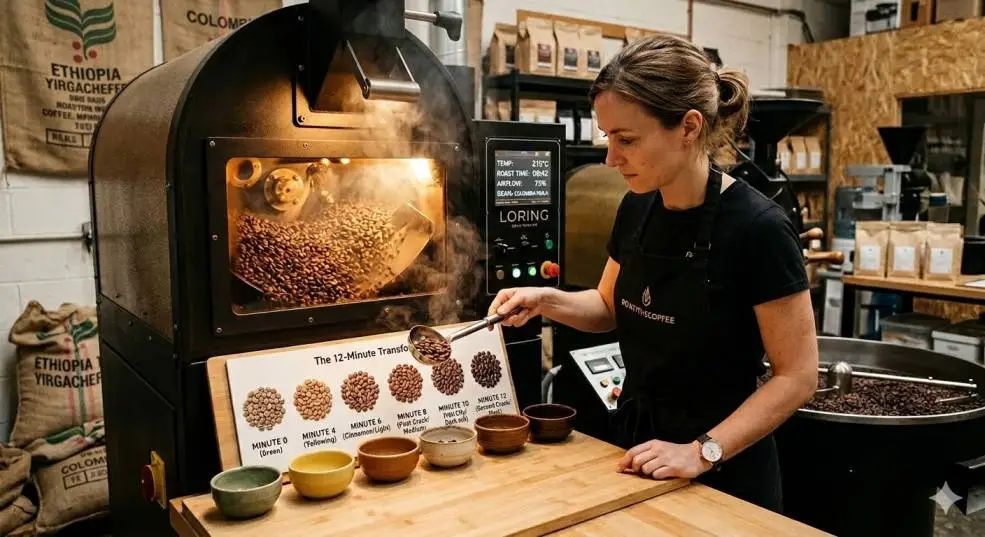
When beans hit the drum, they bounce around. For four minutes, visually, zero changes. But inside each bean, water starts moving. Green beans hold like ten to twelve percent moisture. That water has to leave. If it leaves too fast, the bean cracks incorrectly.
If it clears out as well moderate, the broil drags and everything tastes baked. I once watched a fifty-kilo roaster. He kept his hand on the drum, feeling the temperature through the metal. No thermometer. Fair touch. He'd been doing it thirty years.
"You feel the beans beginning to sweat," he said.
You Must Also Like: How Long Does Whole Bean Coffee Last?
I felt nothing. My hand got hot. I pulled absent. He laughed. That's the contrast between involvement and data. I perused about broiling online. He had burned his fingers a thousand times.
Minutes Five to Seven: The Scent Changes
Around the five-minute mark, something shifts. The green scent blurs. Toasty smells show up. If you’ve ever made popcorn on the stove, you know that moment. One kernel pops, and suddenly, your kitchen smells like a movie theater. Same thing here.
This is the Maillard Reaction. Favor chemistry term for browning. Same thing that happens when you burn meat or toast bread. But here's what articles do not clarify. If the roaster surges through this stage, you lose complexity. The coffee closes up tasting one-dimensional.
I bought a pack from a basic need store once that claimed to be "little group simmered." I drank it for two weeks. It was fine. At that point, I bought beans from a shop that let me observe them cook that morning. Same root. Same bean sort. Totally distinctive experience.
The, to begin with, one tasted like coffee. The moment tasted like blueberries and dark chocolate, plus something I couldn't name but craved again right away. That's the Maillard Reaction done right.
Minutes Eight to Nine: First Crack
This is loud. Like popcorn, but sharper. The beans expand, internal pressure builds, and suddenly—crack. The sound echoes through whatever room you're in. First crack means the beans are now a light roast. They've doubled in size. The surface looks dry. No oil is visible.
Most specialty roasters pull beans right here. Light roasts preserve whatever weird flavors grew on that mountain. Fruity notes. Floral notes. Wine-like acidity.
Here's the catch. Light roasts are harder to grind. Denser beans fight back. Replace your cheap blade grinder when you can. Light roasts will create grounds with an uneven texture. Some powder, some chunks. That means bitter and sour in the same cup.
I learned this the expensive way. I bought amazing light roast Ethiopian beans. I ground them in my fifteen-dollar grinder. I wasted twenty bucks on muddy, uneven coffee.
That week, I faced a challenge: how to grind coffee beans without a grinder. I didn't want to buy new equipment, and I couldn't afford a good burr grinder.
Mortar and pestle work if you have strong arms. Took me twelve minutes to grind enough for one cup. Rolling pin and freezer bag work faster but risks the bag ripping and beans flying everywhere. I vacuumed coffee off my floor for a week.
Anyway. First crack matters. Listen for it.
Minutes Ten to Twelve: Second Crack
Keep roasting past first crack, and everything darkens. Oils migrate from inside the bean to the surface. Sugars caramelize more. Acidity drops. Bitterness climbs. Around 225 degrees Celsius, the second crack happens.
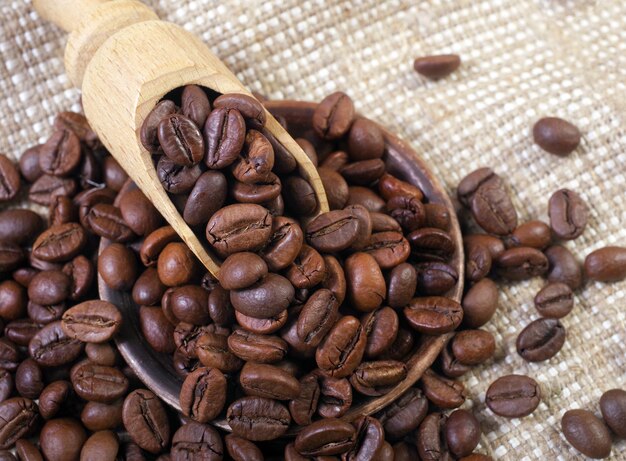
Sounds like Rice Krispies. Quick pops. The bean structure fractures. Now you're in dark roast territory. Espresso roast, French roast, Italian roast. All those names mostly mean "we roasted it until the oils came out."
Shiny beans. Smoky smell. But here's the truth dark roast fans won't say. Dark roasting hides flaws. If a company has mediocre beans, they'll roast them dark. The charcoal flavor covers up the lack of quality.
I've bought gorgeous oily beans that taste like someone burned wood and added water. I've bought pale unexciting beans that exploded with flavor.
Color means almost nothing.
Cooling Matters More Than You Think
When the roast hits the target, cooling has to happen fast. Commercial roasters dump beans into trays with fans. Room temperature air rushes through. Within minutes, the beans stop cooking.
If cooling takes too long, the roast continues internally. Flavors flatten. That baked taste I mentioned earlier? Comes from slow cooling.
I ordered beans once that arrived warm in the mail. It felt nice on a cold day. But warm beans in a sealed bag mean they kept roasting during shipping. By the time I brewed them, they tasted flat and tired.
Now I only buy from places that roast and ship the same week. And if beans arrive warm, I complain.
What I Actually Look For Now?
After years of buying, failing, burning, and occasionally succeeding, I have a simple system.
Roast date matters most. If the bag only shows a best by date two years from now, that's marketing, not freshness. Coffee peaks within two to four weeks after roasting. After that, it's declining. Still drinkable. not special.
Whole bean only. Pre-ground is convenient but dead within days. Aromatics fade fast. Grind right before brewing.
Match roast to method. Light roasts need better grinders and careful pouring. Dark roasts forgive more. If you're using a basic drip machine, medium-dark works fine.
Storage matters. Airtight container. Cool dark place. Not the fridge. Coffee absorbs smells like crazy. Your beans shouldn't taste like leftover stir-fry.
Is Green Coffee Bean Extract Actually Effective for Weight Loss?
People ask about green coffee bean extract a lot. Here's what I found researching this. Green beans contain chlorogenic acids. Those break down during roasting. Some studies suggest they might help blood pressure a little. Weight loss claims are weak. Like, really weak.
If you want to try it, buy from supplement companies with testing. Start small. Watch for caffeine sensitivity. And don't expect miracles. Also, green coffee tastes terrible. Like grass water. I tried making it once. Never again.
The Bag I Keep Coming Back To
Someone asked me about fol101800 - Supreme by Bustelo Espresso Whole Bean Coffee recently. Bustelo's whole bean option is solid for espresso blends.
Dark roasted. Oily. Intense. Works well in machines that need pressure. Not subtle. Not complex. strong coffee that tastes like coffee. Good for milk drinks. Bad if you want to taste Ethiopian blueberry notes.
Final Thought
Twelve minutes change everything. Green seeds become dark beans. Grass smells become chocolate and fruit. Dense little rocks become brittle enough to crush between your fingers.
Roasters who pay attention during those twelve minutes produce coffee worth buying. Roasters who rush produce coffee worth avoiding. Look for honesty on the bag. Look for roast dates. Look for people who tell you when they messed up.
And if you try home roasting, open a window. Trust me on that.