I paid $28 for a single cup of coffee last month. And I would do it again. The barista called it an "anaerobic natural process coffee." I rolled my eyes. Another fancy name for a markup, I thought. Then I took the first sip.
That cup changed how I think about coffee. Anaerobic coffee processing is not a gimmick. It is the most important shift in specialty coffee since the third wave began. And in 2026, it is finally going viral.
Here is what you need to know before you buy your first bag—or your fiftieth.
What Is Anaerobic Coffee Processing?
What is anaerobic coffee processing? The name sounds scientific. The reality is simpler.
Coffee has always been fermented. Traditional methods like washed and natural processing use open-air tanks or drying beds. Oxygen is everywhere. Microbes do their thing. The coffee develops flavors.
Read Also: Savannah Coffee Roasters Coffee | Freshly Roasted Beans
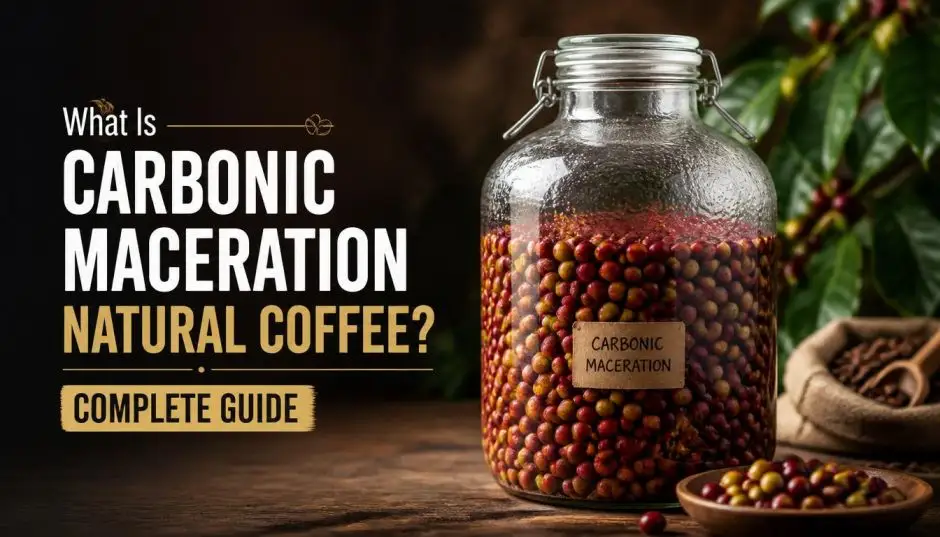
Anaerobic flips the script. Producers seal coffee cherries inside stainless steel tanks. They remove the oxygen—sometimes by pumping in CO₂, sometimes just by letting the cherries' own respiration consume it. Inside that sealed environment, lactic acid bacteria and wild yeasts take over.
These organisms produce different compounds. Higher levels of ethyl acetate. Complex aromatic esters. Lactic acid instead of acetic acid.
The result? Coffee that tastes like nothing you have had before. Wine-like acidity. Tropical fruit explosions. Fermented berry sweetness. All from beans that never touched a flavor additive.
The 2026 Moment: Why Now?
Anaerobic processing is not new. Producers experimented with it in Costa Rica over a decade ago . Sasa Sestic used it to win the World Barista Championship in 2015 . But for years, it stayed on the fringe.
2026 is different. Three things changed.
Second, consumers started asking the right questions. A recent survey found that 68% of specialty roasters have experimented with new processing techniques . Customers no longer just ask where their coffee is from. They ask how it was processed. "Anaerobic" is becoming a recognized term .
Third, the competition stage validated it. At the 2026 Australian Barista Championship, Gabrel Tan won using a 48-hour semi-anaerobic natural Gesha espresso. Judges praised its "clarity and expressive structure. When champions use your process, the industry pays attention.
The Flavor Profile (What You Actually Taste)
Let me describe what anaerobic coffee tastes like. Because the difference is not subtle.
Washed coffee tastes clean. Bright. Predictable. Floral notes. Citrus acidity. You know what you are getting.
Natural coffee tastes fruity. Heavy. Sometimes fermented. Think jam, dried fruit, dark berries.
Anaerobic coffee tastes like someone turned up the volume on everything.
A well-executed anaerobic lot delivers four things:
-
Aromatic complexity that punches. Ripe stone fruit. Red berries. Grape. Tropical notes. You smell it before you drink it.
-
Higher perceived sweetness. The fermentation process creates residual sugars. No sugar added. Just natural sweetness that lingers.
-
A syrupy, almost thick body. The coffee coats your mouth. Flavors do not disappear after two seconds. They hang around.
-
Bright but balanced acidity. Not sharp like lemon juice. More like red wine or yogurt. Lactic, not acetic.
I tested a 72-hour anaerobic lot from FNB Coffee's Gayo Wine series last week. The tasting notes said "red grape, plum, caramel, chocolate.
I thought that was marketing hype. Then I brewed it. Every single note appeared in the cup. That never happens with washed coffee.
The Honest Pros and Cons (No Hype)
Everyone selling anaerobic coffee tells you how amazing it is. Here is what they do not mention.
The Pros (Real)
You get flavors you cannot find anywhere else. Not exaggerating. The wine-like notes, the tropical fruit explosions, the syrupy body—these do not exist in traditionally processed coffee. If you are bored with your daily cup, anaerobic is the cure.
You Must Also Like: Starbucks French Roast Whole Bean: A Deep and Bold Coffee Experience
The quality ceiling is higher. Studies consistently show anaerobic lots scoring higher on SCA scales than their washed or natural counterparts. When executed well, the cup is objectively better.
The process is more controlled. Open-air fermentation has many variables you cannot manage. Sealed tanks let producers monitor pH, temperature, and time precisely. That means more consistency batch to batch.
It works well for lighter roasts. Anaerobic beans shine when roasted lightly. The complex aromatics developed during fermentation do not get burned off . You taste the process, not the roast.
The Cons (Also Real)
The learning curve is steep. Mistakes ruin entire batches. Temperature swings, pH spikes, or fermentation that runs too long produce sour, vinegary, or flat-out unpleasant coffee. Unlike washed coffee where errors are easier to catch early, anaerobic lots can seem fine until they are not.
Not every origin benefits equally. Some terroirs get masked by intense fermentation processing. The coffee starts tasting like the process, not the place. That defeats the point of single-origin coffee for some purists.
How to Buy Anaerobic Coffee (Without Getting Burned)?
You want to try anaerobic coffee. Good. Here is how to avoid wasting money on bad lots.
Start with shorter fermentation times. Look for 24-hour or 48-hour anaerobic lots. Avoid anything labeled "extended fermentation" or "wine-style" until you know you like the profile.
Buy from producers who share data. Good producers tell you the fermentation duration, temperature range, and pH levels. If the bag just says "anaerobic" with zero details, keep walking.
Try before you commit to a full bag. Many specialty roasters offer anaerobic samples or 4-ounce bags. Pay the premium for the trial. Better to spend 12onasamplethan12onasamplethan28 on a full bag you hate.
Lighter roasts work better. Dark roasting burns off the delicate aromatic compounds developed during fermentation. Look for light to medium-light roasts.
Know your retailer's return policy. Not joking. Some anaerobic batches miss the mark. A reputable roaster will stand behind their product.
Who Anaerobic Coffee Is For (And Who Should Skip It)?
Buy anaerobic coffee if:
-
You are bored with traditional coffee flavors.
-
You enjoy natural wines, funky beers, or complex fermented foods.
-
You want to understand what cutting-edge coffee processing tastes like.
-
You have $25-40 to spend on a bag without stressing about the cost.
Skip anaerobic coffee if:
-
You take your coffee with milk and sugar. (The delicate flavors get lost.)
-
You dislike fermented or wine-like notes in food and drink.
-
Your daily driver is a grocery store brand. (This is not an entry-level product.)
-
You are on a tight coffee budget. Nothing wrong with that. Plenty of excellent washed coffees exist for half the price.
The Final Thoughts
Anaerobic coffee processing is not a fad. It is a genuine advancement in how coffee can taste. The 2026 market data backs this up. The competition results back this up.
The $20-30 price premiums exist because consumers are willing to pay for flavors they cannot get anywhere else. But here is the truth no marketer will tell you: Not every anaerobic coffee is good.
The process requires precision. Mistakes happen. And the flavor profile genuinely turns some people off. Try it once. Find a 48-hour anaerobic natural from a reputable roaster. Brew it black. No sugar. No milk. Pay attention to the first sip.
You will either understand the hype immediately. Or you will hand the cup back and ask for your usual washed Ethiopian.
Either answer is correct. At least you will know.