Data hodgepodge plays a pivotal role in the success of coffee roasters of any size. Roasters gather and analyze important information. This gives them valuable insights. With these insights, they can make better decisions and stay ahead in the competitive coffee industry.
Today’s roasting tech helps anyone manage coffee roasting data easily. Special software makes it simple. Let’s explore why data hodgepodge is essential in your coffee roasting journey.
What should you collect and why? Coffee roasting data has four main types. They are roast data, production data, lab data, and sales data.
Why Is Data Collection in Coffee Roasting Important?
Roast Data
Roast data is well-nigh keeping track of temperature changes during roasting. This involves recording temperature readings over time. Note any changes made during the roast. Also, track how long it takes for the temperature to hit key ranges.
Read Also: Mocha Caffeine Content Explained: 2026 Detailed Breakdown
We can also gather other data from temperature tracking. This includes how fast the temperature changes and the differences between various parts of the roaster. We can moreover capture spare sensor data like color, air pressure, or velocity.
Production Data
Production data includes key details about ownership of green coffee beans. It shows which roaster handled each batch. It lists the roasting stage and time. It includes the value of the green coffee. It also shows how much roasted coffee was made.
Lab Data
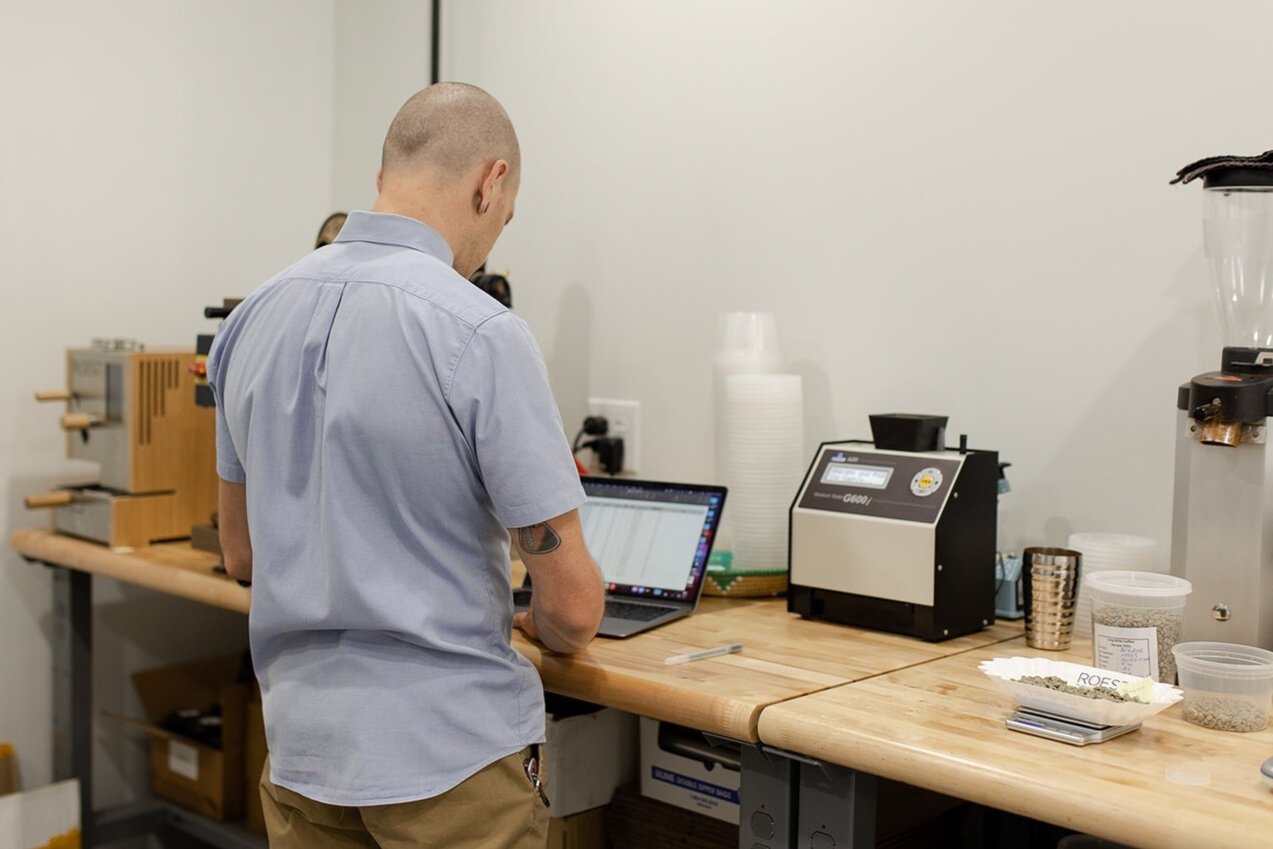
Lab data analyzes variegated aspects of green, roasted, or finished coffee products. This involves tasting the coffee through cupping and checking the quality of new beans. In this paragraph, Looking for the dark roast coffee?
Measuring traits is key when grinding coffee. Check moisture content, density, color, and particle size distribution. Spare lab data can compare spirituous coffee to sensory standards. This is done through cuppings and other sensory tests.
Sales Data
Sales data shows how consumers buy coffee. It reveals who purchases specific coffees and how often they buy them. It might also mean watching sales trends during promotions. Events like these can impact sales.
What Are Some Examples of Data You Need to Collect?
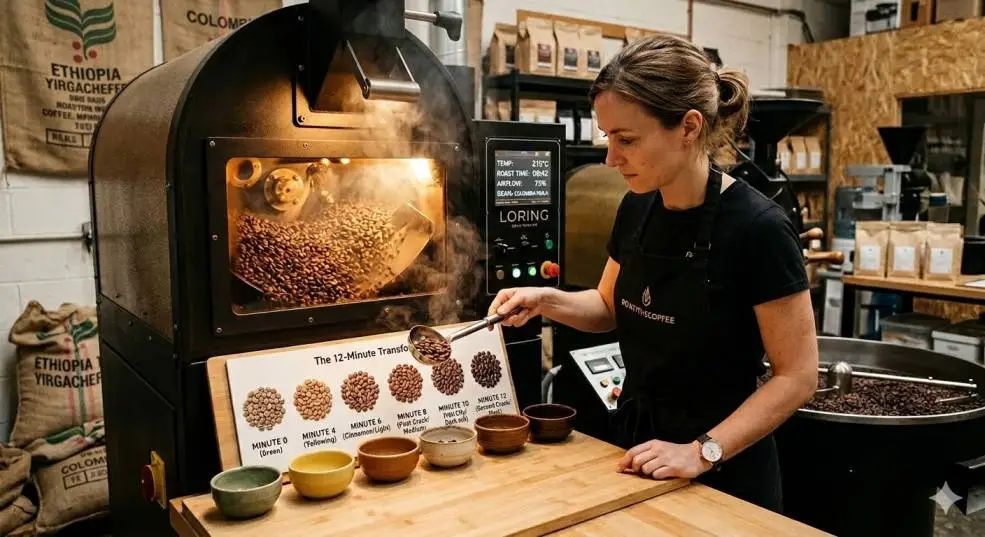
First Crack data
First Crack is a sound that happens when the beans heat up. This exothermic reaction usually starts at about 196°C (385°F). It denotes the start of the “light roast” stage, crucial for zephyr and savor development.
You Must Also Like: Mindful Drinking: Best Alcohol-Free Spirits to Raise Your Vibe
By recording this event, roasters can see how the coffee is changing during the roast. This helps them better manage the flavor profile. This data is very useful for roasting new coffee beans. It helps roasters quickly see how the coffee reacts and develops.
You can also use it for future batches to unzip consistency by preparing for the First Crack. It can be tough to always catch First Crack during roasting. It doesn’t always happen when you expect it. Factors like starting temperature and environmental conditions can stupefy its timing.
Essential Temperature Sensors
Temperature sensors are important because they track exact temperatures during roasting. They track key stages like the drying phase, the Maillard reaction, and the start of the first crack.
Firstly, it helps coffee roasters ensure consistency and repeatability in their roasting process. By watching temperature changes, roasters can copy successful roast profiles. This keeps the quality high in different batches.
This is especially important for specialty coffee roasters. They aim to create unique flavor profiles that please their customers. Temperature data helps roasters enhance the flavors and aromas of coffee. Variegated temperature ranges during roasting contribute to the minutiae of specific flavor characteristics.
Roasters can analyze temperature data to find ideal ranges. This helps them achieve desired flavor profiles, like acidity, sweetness, body, and aroma.
This knowledge lets them adjust their roasting settings easily. They can create coffee with unique and tasty flavors.
The temperature sensors help detect and prevent problems during roasting. Monitoring temperature trends helps roasters spot issues like scorching, underdevelopment, or over-roasting.
This helps make quick changes to keep the roasting conditions right. It also prevents bad flavors or defects in the final coffee. The various commonly used sensors are bean, air, exhaust, and pulsate sensors.
Why Do We Need to Collect Data?
Data Hodgepodge for Quality Control
Data hodgepodge is a crucial specialty of ensuring resulting coffee quality. You can identify patterns and correlations that directly impact the final brew. Understand how each parameter affects the flavor, aroma, and coffee characteristics.
This will help you fine-tune and perfect your desired roast profiles. Control the roasting process to ensure high quality. This way, you can choose coffee beans that meet your standards every time.
Data hodgepodge helps roasters from the start. It covers untried beans to the final cupping. This information lets them improve their roasting techniques. As a result, each coffee batch delivers a rich, exquisite sensory experience.
Traceability and Transparency
Data hodgepodge promotes traceability and transparency within the coffee industry. Roasters can ensure ethical sourcing. They should gather data on where coffee comes from, how it's farmed, and details about the supply chain.
Support sustainability efforts, and meet consumers’ growing demand for transparency. Transparent data helps roasters share the journey of their coffee beans and build trust with customers.
Evaluate the Effectiveness of Data
Regularly assessing your data hodgepodge methods and their usage is crucial. As your merchantry expands, new challenges may upspring that need variegated information. Advancements in technology, moreover, enable before impractical approaches.
It's important to recognize that some calm data may not be as useful as we first thought. If unrepealable data isn’t helpful or closely links to easier metrics, it might be smart to stop collecting it.
Overly complex data mixes won't lead to clear results. This reduces their value in offering helpful insights. Remember, the ultimate purpose of data hodgepodge and wringer is to momentum operational benefits. Good data practices can improve efficiency. This leads to better production, increased cash flow, and higher sales.
Furthermore, it should simplify the planning of purchasing and production processes. Integrating data entry and wringing into tasks is key for smart and efficient execution.
Data hodgepodge is a powerful tool, but its true value lies in its effectiveness! With the Berto Type R Roaster, you can easily track and control everything on one screen. You can also preprogram the roast process in Recipe mode for a smoother batch.