Walking into a coffee shop, you see bags labeled "espresso beans." But here is the truth—there is no such thing as a separate espresso bean. Any coffee can be pulled as espresso. The label just tells you how the roaster thinks it tastes best under pressure.
What actually matters? Roast level, freshness, and your personal taste. I have tested dozens of bags over the years, talked to baristas, and made plenty of mistakes. Here is what actually works.
What Makes a Coffee Bean Good for Espresso?
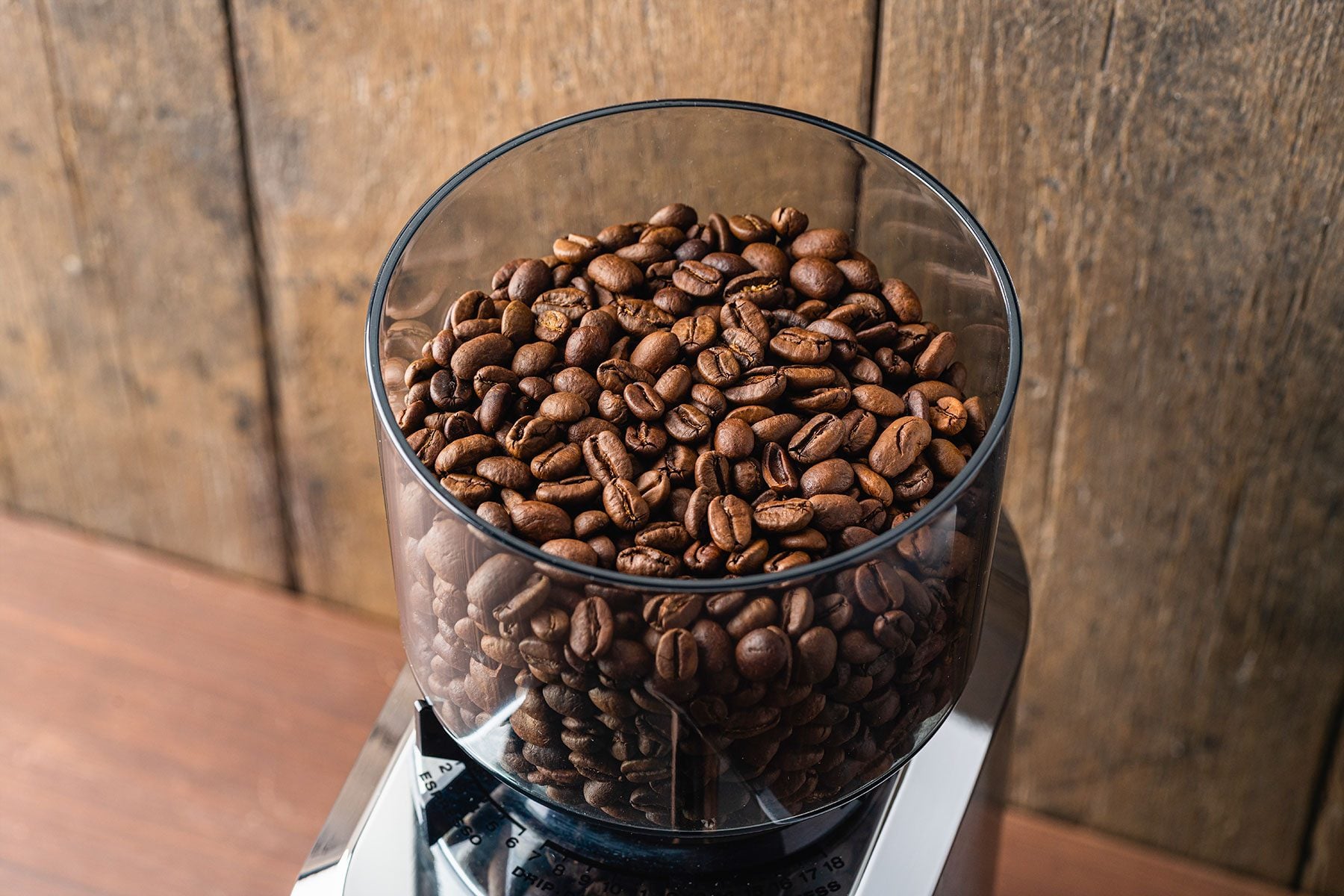
Espresso extracts differently than drip coffee. Water pushes through the grounds at high pressure and high speed. That means the bean needs to be soluble enough to give up its flavor in 25 to 30 seconds.
Read Also: Anaerobic Coffee Processing Trend 2026: Why It’s Going Viral?
Three things decide whether a bag pulls well:
Roast level comes first. Most people assume espresso means dark and oily. That is old thinking. Sixty percent of specialty espresso coffees are medium roast, not dark. Medium roasts balance acidity and sweetness. They extract cleanly and taste great with or without milk.
Freshness is the real deal. Coffee releases carbon dioxide for days after roasting. Too fresh? That gas turns into carbonic acid under pressure and tastes harsh and astringent. Too old? The flavors fade and the shot goes flat.
The bean itself matters. Arabica beans are the gold standard. They deliver sweetness and complexity. Robusta gives you more crema and caffeine but tastes more bitter.
Roast Level Guide: Light, Medium, Dark
Your roast choice changes everything. Here is how each one performs.
Light Roast: Bright, Fruity, Complex
Light roasts preserve the bean's original character. You taste citrus, berries, florals, and cocoa . The body is lighter and the acidity is sharper.
Pros: Complex flavors. Tastes like the origin. Great for straight shots and Americanos.
Cons: Harder to extract. Requires finer grind and higher water temperature . Less forgiving on home machines.
Best for: Experienced brewers. People who love fruity, bright espresso.
Medium Roast: Balanced, Sweet, Crowd-Pleasing
Medium roasts offer the sweet spot. Rounded sweetness. Gentle acidity. Notes of chocolate, toffee, and nuts . They extract easily and work with any brewing method.
Pros: Versatile. Works with milk drinks and straight shots. Forgiving if your grind is slightly off.
Cons: Less origin character than light roasts. Less body than dark roasts.
Best for: Most people. Daily drinkers. Anyone who wants consistency.
Medium-Dark to Dark: Bold, Syrupy, Chocolatey
Dark roasts deliver low acidity, heavy body, and smoky chocolate flavors. The beans often look oily on the surface.
Pros: Cuts through milk beautifully. Rich crema. Easy to extract.
Cons: Oily beans can clog built-in grinders . Less complexity. The roast flavor dominates the bean's origin character.
Best for: Lattes and cappuccinos. People who love bold, traditional espresso.
Oily Beans: A Warning for Breville Users
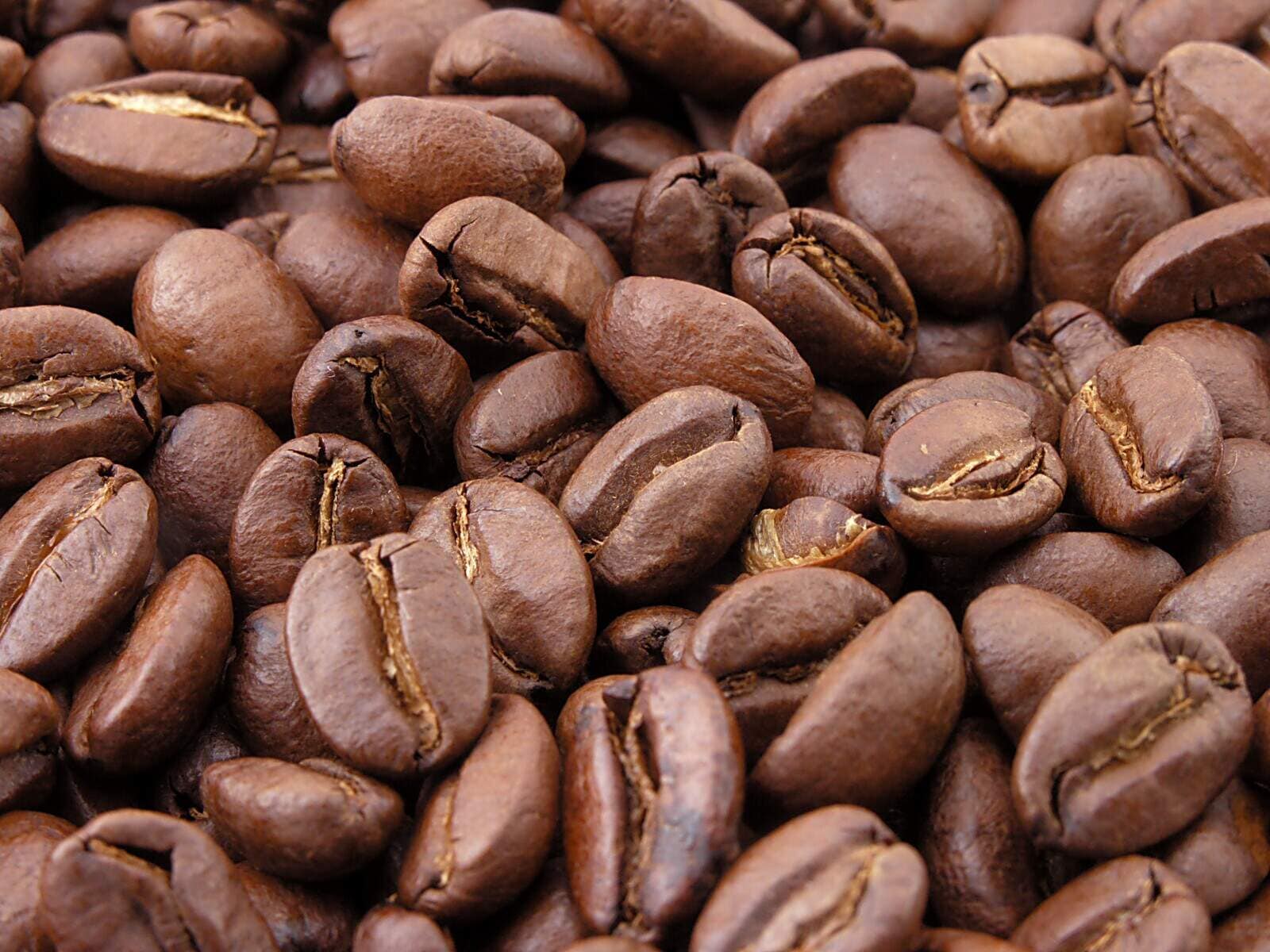
If you own a Breville espresso machine with a built-in grinder, listen up.
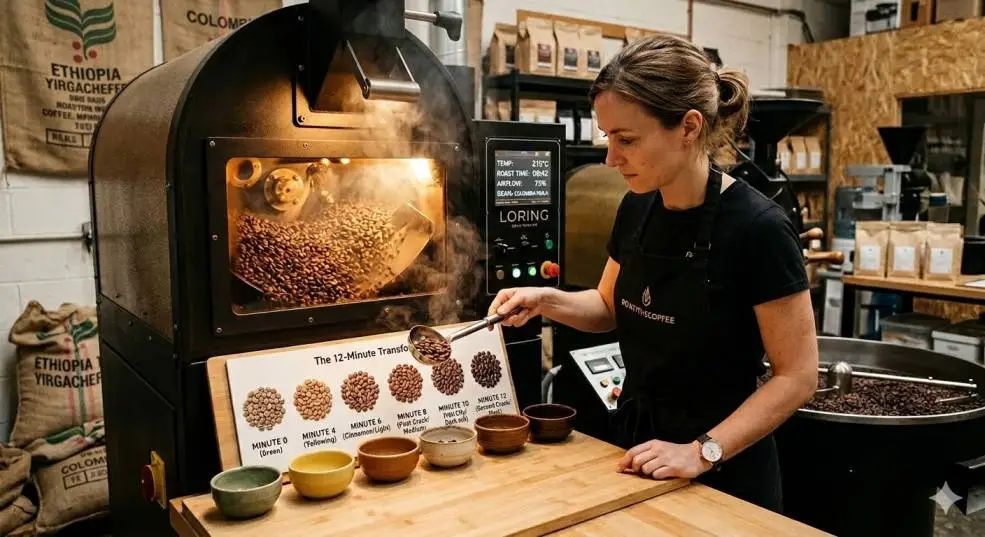
You Must Also Like: The 12-Minute Transformation: What Really Happens When Coffee Beans Are Roasted?
Oily dark roast beans are a nightmare. The oils are sticky. They build up inside the burrs and the chute. Over time, that gunk hardens. Your grinder motor works harder. Eventually, it burns out or the plastic gears strip.
The rule of thumb: If the bean leaves a grease stain on your finger, keep it away from your built-in grinder .
The solution is medium-dark roasts that look matte and dry, not shiny and black. They deliver the bold chocolatey flavor without destroying your equipment.
Barista-Recommended Espresso Beans
Based on real reviews and what coffee professionals actually use, here are standout options.
Best Overall: Bearded Lady, Longshoreman's Daughter
This is the espresso customers come back for more than any other. Dark and decadent. Tastes like chocolate-covered cherry with a kick . Rich, a little smoky, with bright cherry notes that keep it from feeling flat.
Best for: People who love bold, classic espresso.
Best Classic: Breaker One 9 (Johnson House Blend), Broadcast Coffee Roasters
A medium roast that drinks like a Heath bar. Fudgy chocolate and toffee with enough stone-fruit brightness to keep it interesting . Pure nostalgic joy.
Best for: Anyone who wants a familiar, comforting cup.
Best for Lattes and Milk Drinks: Milk Money, Stamp Act
The name says it all. Honey-like body of cocoa and caramel with a balanced black cherry note . Light enough to stay elegant but rich enough to punch through steamed milk.
Best for: People who drink mostly lattes and cappuccinos.
Best Traditional Italian-Style: Gran Miscela Carmo, Caffe Lusso
A chocolaty, Brazilian-forward medium blend built in the classic Italian tradition. Toasted-sugar sweetness wrapped in a velvety body . This is the cup you would get at a great corner bar in Rome.
Best for: Traditionalists. Espresso purists.
Best Light Roast: Bright Blend, Kuma Coffee
If you think espresso has to be dark and bitter, this one changes your mind. Berry, floral, and clean citrus snap . Bright and lively. Nothing like the burnt stuff.
Best for: Adventurous drinkers. People who love filter coffee flavors in espresso.
What Coffee Beans Are Best for Espresso? Origins to Know
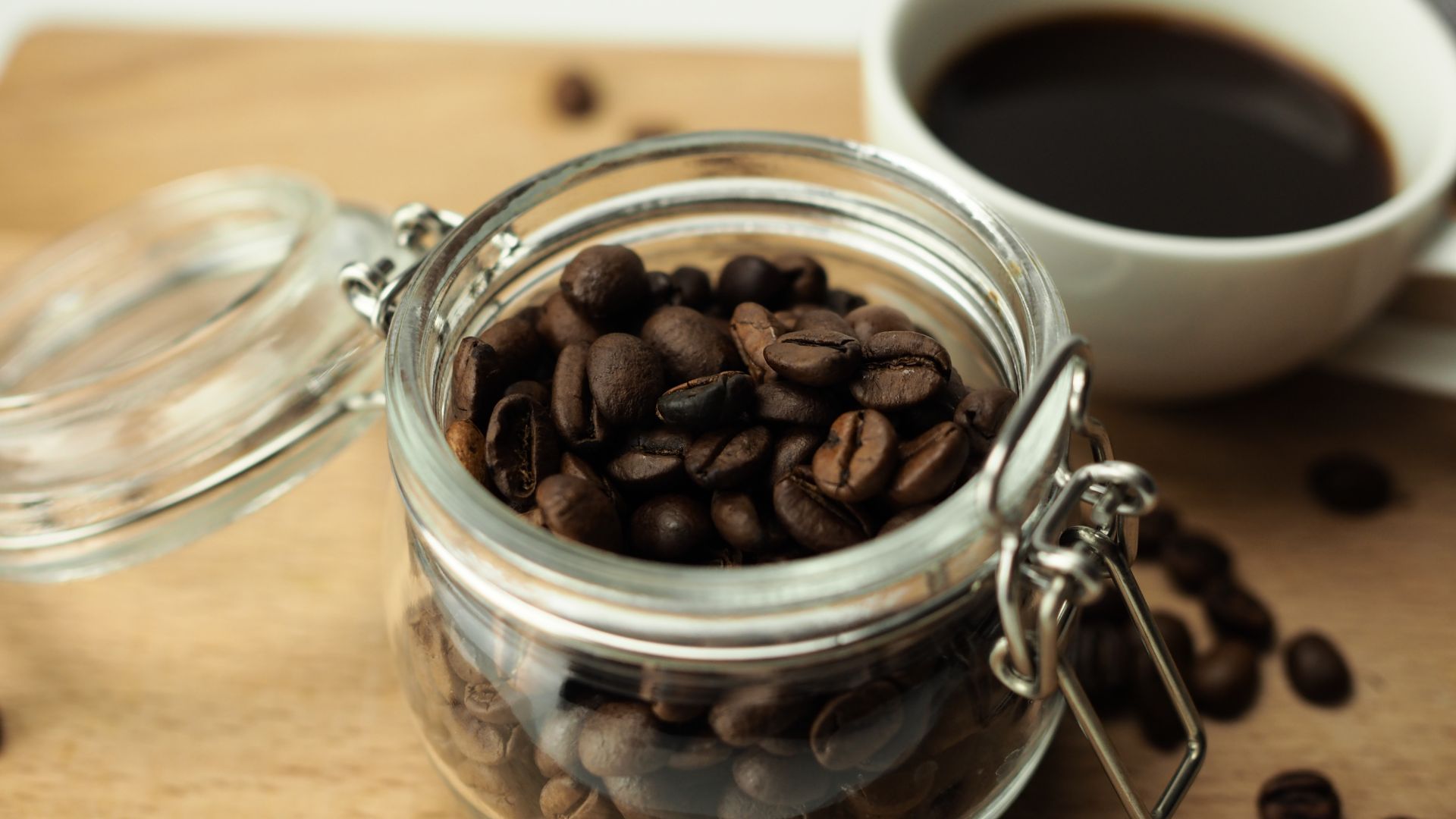
Origin shapes flavor. Here is what different regions bring.
Brazil: Chocolate, nuts, low acidity. Soft and sweet. Forgiving to extract. The backbone of most classic blends.
Colombia: Balanced, caramel sweetness. High-altitude beans that pull cleanly and cut through milk.
Ethiopia: Floral and fruity. Better for experienced brewers. Flavors pop with lighter roasts.
Sumatra: Bold and earthy. Great for milk drinks. Unique processing creates deep, syrupy body.
Guatemala: Cocoa, spice, good structure. Volcanic soil and high elevation produce complexity that holds up under pressure.
Single-Origin vs. Blend: Which Should You Choose?
Blends are built for consistency. They combine beans from different origins to create a balanced flavor. Easier to dial in. Reliable year-round . Most home espresso drinkers should start here.
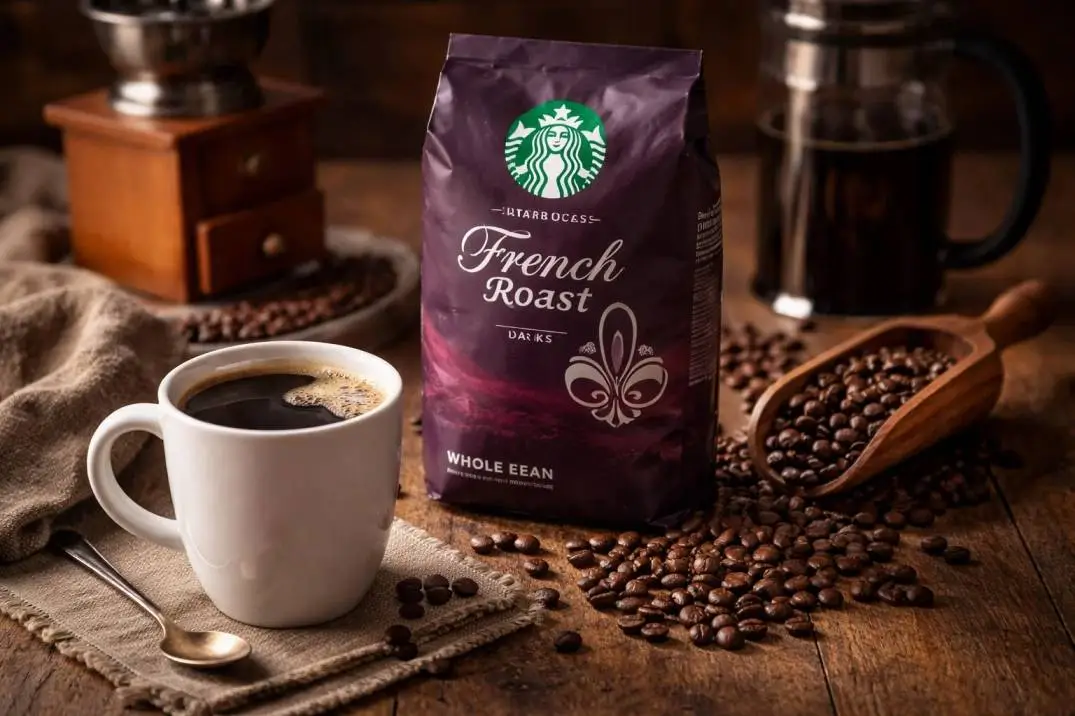
Trending Article: Starbucks French Roast Whole Bean: A Deep and Bold Coffee Experience
Single-origin beans come from one farm or region. They have more personality but require more dialing in. Acidity can be sharper. More rewarding if you enjoy experimenting.
Neither is better. They are different pleasures.
Freshness: The Most Overlooked Factor
Freshness matters more than almost anything else. Here is what you need to know.
Look for a roast date. Not a best-before date. Those are meaningless for quality.
Rest your beans. Coffee needs to degas after roasting. The sweet spot is usually 5 to 14 days post-roast. Darker roasts degas faster. Lighter roasts need more time.
Use within two to four weeks. After that, flavors fade significantly.
Store properly. Keep beans in an airtight container at room temperature. Away from light, heat, and moisture. Skip the fridge and freezer.
Grind fresh. Whole beans stay fresh longer than ground coffee. Grinding releases aromatics immediately.
Tips for Pulling Great Shots at Home
Match grind to roast. Light roasts need finer grind and higher water temperature. Dark roasts need coarser grind and cooler water . Medium roasts sit in the middle.
Dial in by taste. If your shot tastes sour, grind finer or pull longer. If it tastes bitter, grind coarser or pull shorter.
Clean your grinder. Oily beans build up residue. Regular cleaning keeps your equipment working well.
Enjoy your espresso quickly. The crema starts dissolving within seconds. The shot loses sweetness and roundness soon after.
The Final Thoughts
If you are buying your first bag, pick a medium roast blend from Brazil or Colombia. It will be forgiving, taste great, and work with milk or straight. Look for a recent roast date. Skip the oily beans if you have a built-in grinder.
Great espresso starts with great beans. Your machine matters, but the beans matter more . Start fresh. Taste as you go. Adjust until it tastes good to you. That is the only rule that counts.