The first time I roasted coffee at home, I used a popcorn maker. It worked, barely. But it also filled my kitchen with so much smoke that my wife almost called the fire department. That's when I started looking for something better.
Air coffee roasters changed everything for me. They're simpler, faster, and far less likely to trigger a visit from the fire brigade.
I've tested several over the past few years. Here's what I learned about choosing the right one.
What Exactly Is an Air Coffee Roaster?
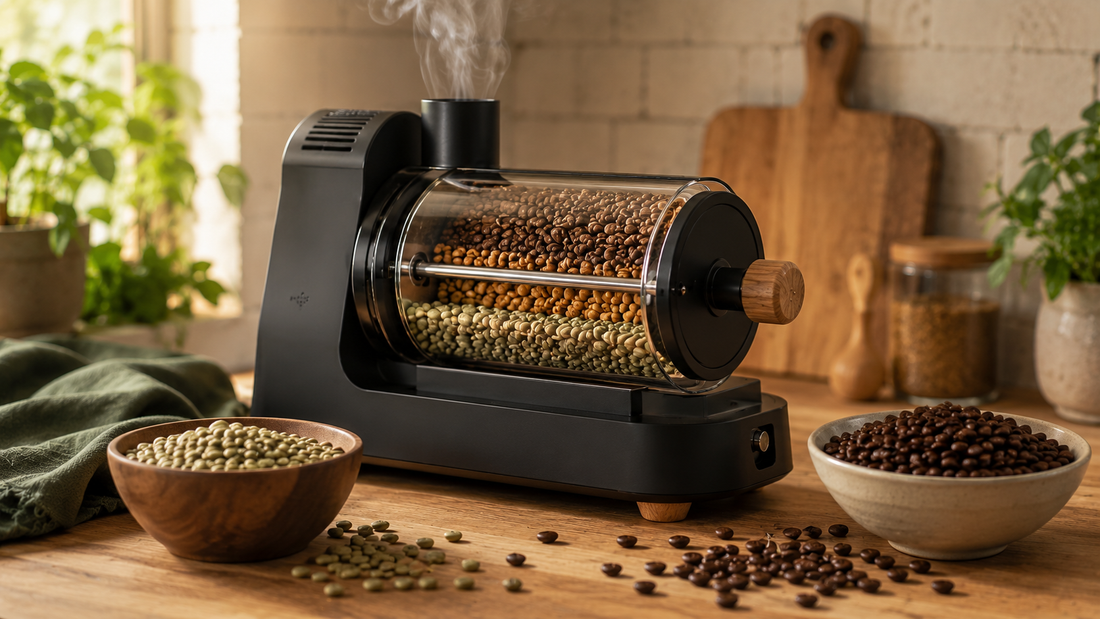
An air coffee roaster uses hot air to roast beans. The beans float on a bed of hot air inside a glass chamber. This keeps them at a consistent temperature throughout the process .
Read Also: How to Descale Smart Coffee Machines Without Voiding Warranty?
The technical name is fluid-bed roasting. Hot air both heats the beans and keeps them moving .
It's completely different from traditional drum roasting. There's no rotating metal drum. No hotspots that scorch some beans while others stay underdone.
The airflow also carries away chaff—that papery skin that comes off beans during roasting. It collects in a special chamber so it doesn't burn or add smoky flavors .
Who it's for: Anyone who wants to start home roasting without spending a fortune or mastering complex techniques.
Who it's not for: Professional roasters needing to produce large volumes. Air roasters typically have small batch sizes, usually 80 to 300 grams.
Why Air Roasters Make Sense for Beginners?
The Specialty Coffee Association notes that fluid-bed roasting produces clean, bright flavors that specialty coffee drinkers prefer .
But the benefits go beyond taste. Here's what matters most.
Speed Matters
Air roasters finish a batch in 5 to 10 minutes. Drum roasters take 15 to 20 minutes. When you're learning, faster roasting means more practice, more experimentation, and more chances to understand how beans develop.
The beans also cool down quickly. Less contact with hot metal means the beans stop cooking as soon as the roast ends. No overdevelopment. No bitter surprises .
Less Smoke, Fewer Headaches
Air roasters produce significantly less smoke than drum roasters. The hot air removes chaff during roasting. Since chaff easily burns and creates smoke, clearing it mid-roast makes a huge difference .
You Must Also Like: Ranked: The 10 Best Coffee Grinders in the USA for Every Budget
Some newer models, like the Mago Maga Roma-X, even have nanoparticle activated-charcoal smoke filters. You can use them indoors without additional ventilation. No garage required .
Easier Cleaning
Because the airflow removes chaff during roasting, buildup inside the chamber is minimal. Most machines just need a quick wipe-down after use .
Budget-Friendly Options for Home Roasting
Fresh Roast SR540: The Entry Point
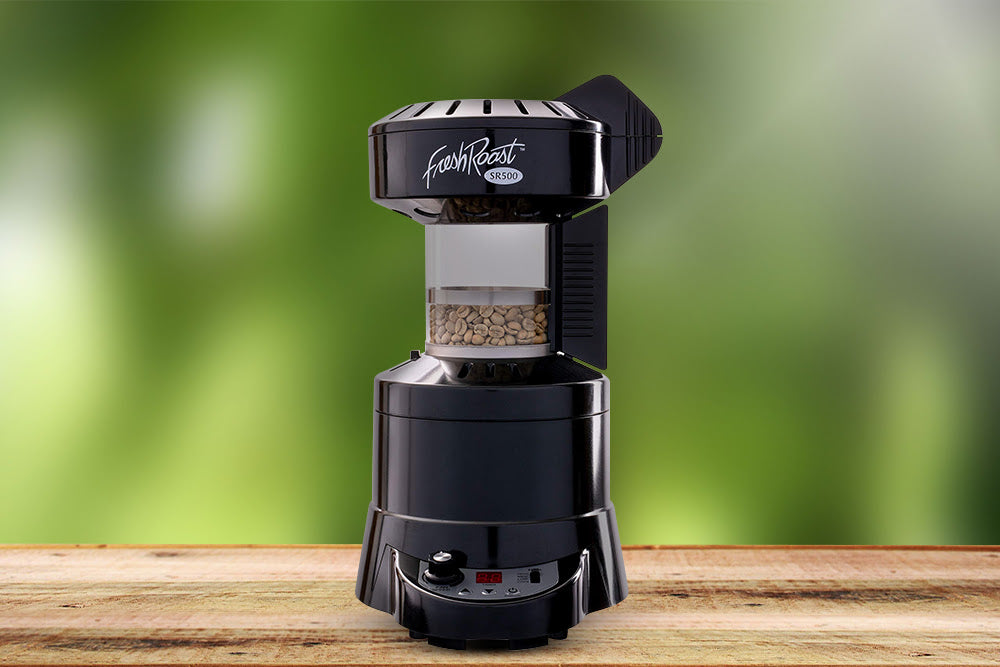
The SR540 is often considered the perfect entry point into home roasting . It roasts about 120 grams per batch and has adjustable fan speed and heat levels.
Key specs:
-
Batch size: ~120 grams
-
Adjustable fan speed and heat levels
-
Digital time control
-
Compact footprint
Why beginners love it: It's easy to learn. Small batches reduce waste while you're figuring things out. The price is accessible. It fits in small kitchens or apartments .
What to know: You'll need to roast more often if you drink coffee daily. A 120-gram batch yields roughly enough for 5 to 6 cups.
Best for: Complete beginners and people who don't need large quantities.
Skip it if: You roast for multiple people or want to experiment with more advanced profiles.
Fresh Roast SR800: The Upgrade Path
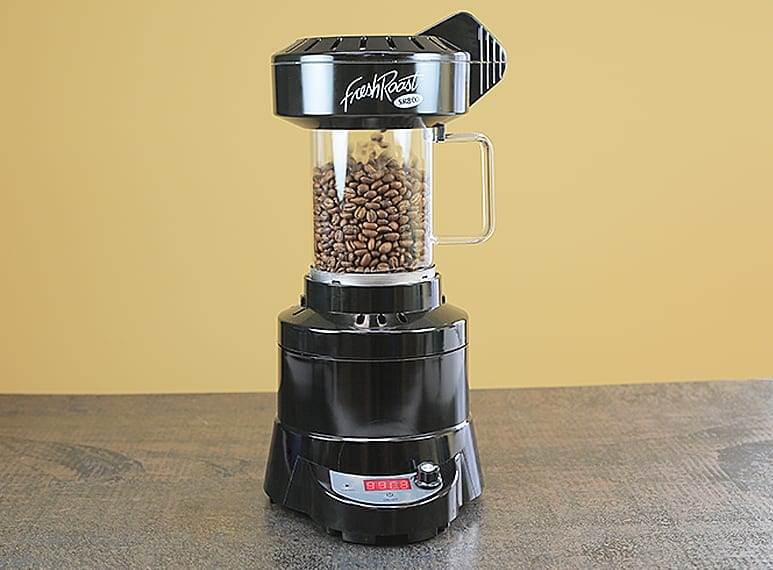
The SR800 builds on the same platform but offers more power and capacity. It handles up to 226 grams (8 ounces) per batch .
Key specs:
-
Batch size: up to ~226 grams
-
More powerful fan motor
-
Stronger airflow
-
Same digital control system
What you get: The stronger airflow means better bean circulation for larger batches and denser beans. More roasting flexibility. More headroom for experimenting .
Best for: People who drink coffee daily, roast for family or friends, or plan to roast long-term.
Skip it if: You're on a tight budget or only roast occasionally. Many home roasters start with the SR540 and upgrade later.
CAFEMASY: Budget-Friendly Air Roaster
The CAFEMASY Coffee Bean Roaster Machine is priced around $140 . It's designed for home use and offers both automatic and manual modes.
Key specs:
-
Capacity: 80g to 100g
-
8 adjustable heating levels
-
Timer: 1 to 15 minutes
-
Automatic cooling function
-
Integrated chaff collection
What I like: The automatic mode has a 10-minute preset. Perfect for beginners who don't want to overthink the process. The LED screen shows time, heating level, and fan power.
What gives me pause: The body is made of heat-resistant ABS plastic, not stainless steel. It feels less durable than pricier options .
Best for: Anyone wanting to try home roasting without a big investment.
Skip if: You want a machine that feels premium or lasts for years.
APOXCON: Even More Affordable
The APOXCON Coffee Bean Roaster costs about $78 . It's a compact option that roasts up to 100 grams.
Key specs:
-
Capacity: up to 100g
-
1500W power
-
Digital display
-
Chaff collection system
What I notice: The build uses stainless steel and black finish, which feels more premium than the CAFEMASY's plastic body. The borosilicate glass chamber helps you monitor the roast .
The catch: At this price, expect some compromises. It lacks the automatic mode of the CAFEMASY. You'll need to manage the roast yourself.
Best for: Budget-conscious buyers who don't mind a hands-on approach.
Skip if: You want an automatic roaster or need precise temperature control.
Saachi Air Coffee Roaster: Mid-Range Option
The Saachi Air Coffee Roaster runs on 2100W and handles 100 grams per batch . It features temperature and fan speed controls, a timer with digital display, and a tempered glass roasting pot.
Key specs:
-
Capacity: 100g
-
2100W power
-
Temperature and fan speed controls
-
Lockable top cover with chaff collector
What stands out: The chaff collector is built into the top cover. It prevents chaff from smoking and affecting the batch's flavor .
Best for: People who want more control than entry-level roasters offer.
Skip if: You need a larger capacity.
What Nobody Tells You About Home Roasting?
You'll make mistakes. My first few batches tasted like burnt popcorn. That's normal. Small batches are your friend here. You waste less coffee while learning.
The learning curve is real. Even with an automatic roaster, you need to understand what first crack sounds like, how beans change color, and when to stop. Start with small batches and pay attention.
Chaff collection matters. Air roasters with good chaff collection produce cleaner-tasting coffee. The Saachi's lockable top cover with chaff collector is a good feature. So is the CAFEMASY's integrated basket .
Freshness matters. Home-roasted coffee tastes best between day 3 and day 10 after roasting. Roast small batches frequently instead of large batches rarely.
Air roasting produces brighter flavors. The fluid-bed method tends to bring out clean, fruity notes in coffee . If you prefer full-bodied, chocolatey roasts, drum roasting might suit you better.
The Final Thoughts
The best air coffee roaster depends on your budget and how serious you are about roasting.
Start with the Fresh Roast SR540 if you want a proven entry point. It's the most recommended beginner machine for good reason. Go for the Fresh Roast SR800 if you roast regularly or for multiple people. The extra capacity and airflow control are worth the upgrade.
Try the CAFEMASY or APOXCON if you're testing the waters on a tight budget. Just know you're getting what you pay for. Skip the ultra-cheap options and Instagram gadgets. You'll end up buying twice.
Home roasting changed my morning routine. Fresh beans. Better flavor. More control. It's worth the effort. Start small. Learn the basics. Upgrade when you're ready.