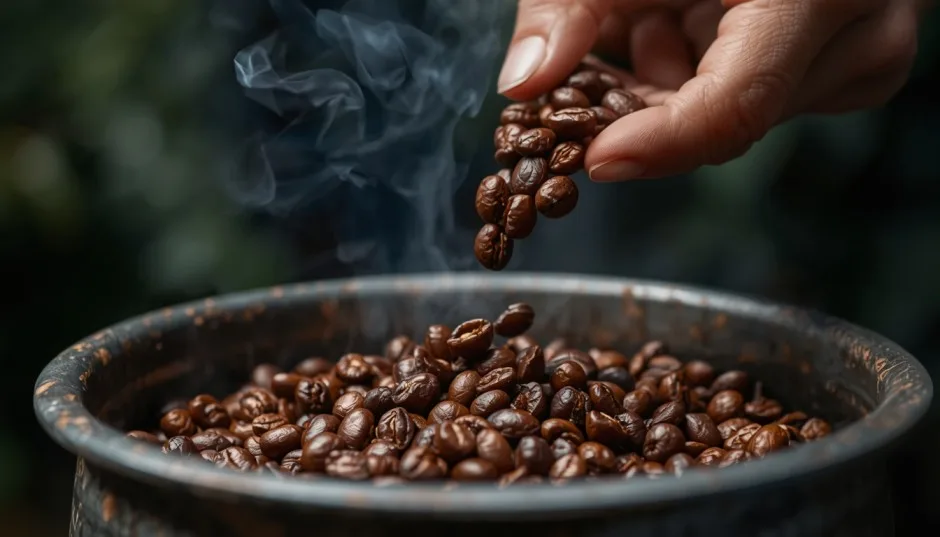
The to begin with time you cook coffee, it feels a bit like cooking without a formula. You listen splits, scent smoke, and trust for the best. Sometimes it works. Other times, the container tells a distinctive story. Biting, level, lush, or fair plain odd.
If you’ve broiled a clump that didn’t turn out the way you anticipated, you’re not alone. Coffee and roasting go hand in hand, but the handle has a learning bend. I’ve burned beans, undercooked them, and everything in between. The great news? Most broiling issues are common, unsurprising, and fixable.
Let’s walk through the issues that trip individuals up most often—and how to maintain a strategic distance from them without overthinking the process.
Understanding the Essentials of Coffee and Roasting
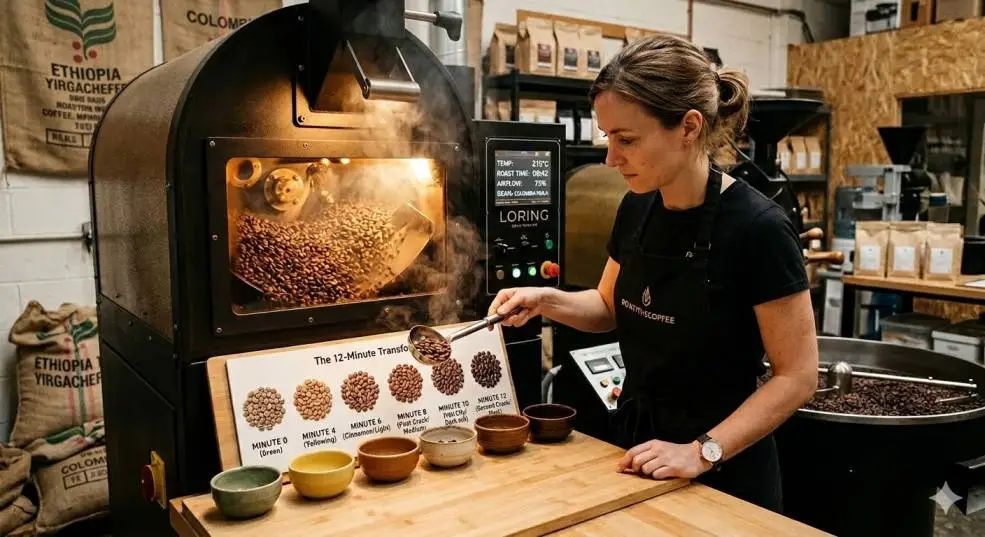
Before jumping into issues, it makes a difference to ground ourselves in what broiling really does. Green coffee beans are thick, grassy-smelling seeds. Simmering applies warm over time to open flavor, smell, and body.
Read Also: Starbucks French Roast Whole Bean: A Deep and Bold Coffee Experience
Roasting isn’t fair almost how dull the beans see. It’s around overseeing warm, wind current, and time. Thrust as well difficult, and flavors sear. Go as well moderate, and the coffee tastes prepared and dull.
Every bean responds differently. Root, thickness, dampness, and handling strategy all matter. That’s why replicating somebody else’s broil profile doesn’t continuously work. Encounter fills in the crevices that charts can’t.
Scorched or Burnt Coffee
What causes it
This ordinarily happens when warm is as well tall early in the cook. The exterior of the bean burns some time recently the interior has time to create. You’ll scent sharp smoke, and the beans may see uneven or sleek as well soon.
How it tastes
Harsh intensity. Ashy notes. A dry wrap up that waits in an repulsive way.
How to dodge it
Start with gentler warm and let the beans warm up equitably. Think of it like burning a steak versus cooking it through. You need advancement, not a charred shell.
Keep an eye (and nose) on the broil amid the to begin with few minutes. If smoke appears up early, back off the heat.
Underdeveloped or “Baked” Coffee
What causes it
This is the inverse issue. Warm is as well moo, or the cook drags on without sufficient vitality. The beans in fact broil, but the chemistry never very clicks.
How it tastes
Flat. Papery. Some of the time acrid without brightness. The smell blurs fast.
How to maintain a strategic distance from it
Don’t be anxious of heat—just utilize it admirably. After the beans dry out, they require sufficient vitality to move through to begin with split with momentum.
You Must Also Like: Savannah Coffee Roasters Coffee | Freshly Roasted Beans
Watch the clock and tune in closely. If the cook feels like it’s slithering, alter your warm or wind current. Energy things more than correct times.
Uneven Roasting
What causes it
Inconsistent warm, packing the roaster, or destitute wind current. Domestic setups are particularly inclined to this.
How it looks and tastes
Light and dull beans in the same bunch. The glass tastes confused—some parts sharp, others sour.
How to dodge it
Roast littler clusters. Beans require room to move and breathe.
Preheat your roaster so warm is steady from the begin. Blending (on the off chance that manual) or appropriate drum speed too makes a contrast. Consistency beats speed each time.
Too Much Smoke, As well Small Control
What causes it
Chaff buildup, destitute ventilation, or simmering as well dull as well fast.
Why it matters
Smoke isn’t fair annoying—it sticks to beans. Excess smoke makes bitter flavors that veil root character.
How to dodge it
Clean your roaster frequently. It sounds boring, but it changes everything.
Vent smoke absent from the beans if conceivable. If you’re chasing darker cooks, moderate down close the conclusion instep of impacting heat.
Over-Roasting to Stow away Awful Beans
What causes it
This one’s subtle. When green coffee isn’t extraordinary, it’s enticing to broil darker to cover flaws.
The result
Everything tastes the same. Smoky, overwhelming, and one-note.
A way better approach
Good simmering doesn’t settle awful coffee—it highlights what’s as of now there. If a bean tastes harsh at medium, going darker won’t mystically move forward it.
If you’re uncertain approximately green quality, container lighter and alter gradually. Or source from a trusted provider or a dependable coffee roaster close me who knows their greens.
Rushing the Cooling Phase
What causes it
The cook closes, fervor kicks in, and cooling gets to be an afterthought.
Why it matters
Beans keep simmering until they cool. Moderate cooling pushes them past your expecting level.
How to dodge it
Cool quick and equitably. Utilize a fan, metal plate, or committed cooling framework. Mixing helps.
This little step regularly isolates affirm coffee from extraordinary coffee.
Misunderstanding Dull Cook and Caffeine
The common question
Does dull cook coffee have more caffeine?
The genuine answer
No—at slightest not in the way most individuals think. Caffeine marginally diminishes with longer simmering. The contrast is little, but lighter broils for the most part hold more caffeine by weight.
Dark cook tastes more grounded since of broil flavors, not caffeine substance. It’s an simple misguided judgment, and one that leads individuals to cook darker than they really enjoy.
If caffeine is your objective, center on bean root and brew proportion instep of broil level.
Ignoring Rest Time After Roasting
What happens
Freshly simmered coffee discharges gas for days. Brewing as well before long traps that gas and muddies flavor.
The fix
Let beans rest. For most cooks, 3–10 days is the sweet spot. Lighter broils regularly require more time.
Patience pays off here. Coffee that tasted sharp on day one can sprout into something extraordinary by day five.
Not Taking Notes (and Trusting Memory Instead)
Why it’s a problem
Roasting feels natural in the minute, but points of interest blur quick. Without notes, it’s difficult to rehash success—or dodge mistakes.
What to track
Bean beginning, group estimate, cook time, temperature changes, and your last result in the cup.
You don’t require a spreadsheet realm. A note pad works fine. Consistency develops from awareness.
Common Coffee Broiling Misconceptions
Darker is stronger
Flavor concentrated isn’t quality. It’s fair distinctive chemistry.
One profile fits all beans
Every coffee carries on in an unexpected way. Alterations are ordinary, not failure.
Cracks are correct markers
First and moment split change by bean and setup. Utilize them as guides, not rules.
Practical Tips That Really Help
Smell the broil as much as you observe it
- Change one variable at a time
- Taste coffee at distinctive rest days
- Roast with purposeful, not fair habit
- Buy little sums of green coffee and experiment
Roasting makes strides quickest when interest leads instep of perfectionism.
Final Thoughts
Roasting coffee isn’t approximately chasing flawlessness. It’s around understanding cause and impact. Each botch educates you something if you’re paying attention.
When you regard the process—and the beans—you get way better comes about without driving it. And when things go sideways, keep in mind this: indeed aces still burn a clump presently and then.
That’s fair portion of the make.